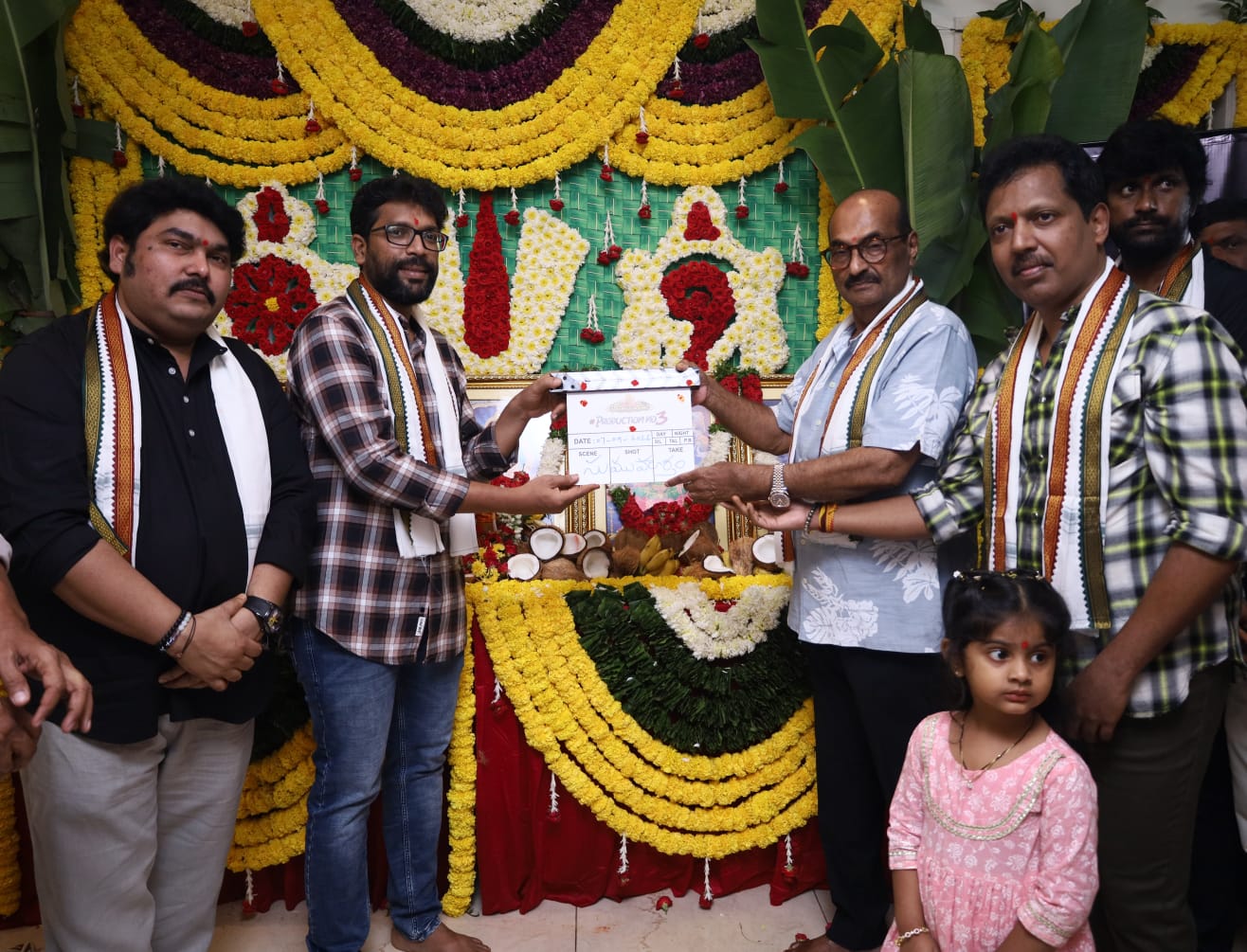
శ్రీమతి వేదుల బాలకామేశ్వరి ప్రాజెన్స్ లో మెగా ఫిలిమ్స్ మరియు సాయి సంహిత క్రియేషన్స్ బ్యానర్స్ పై నిర్మితమవుతున్న చిత్రం…
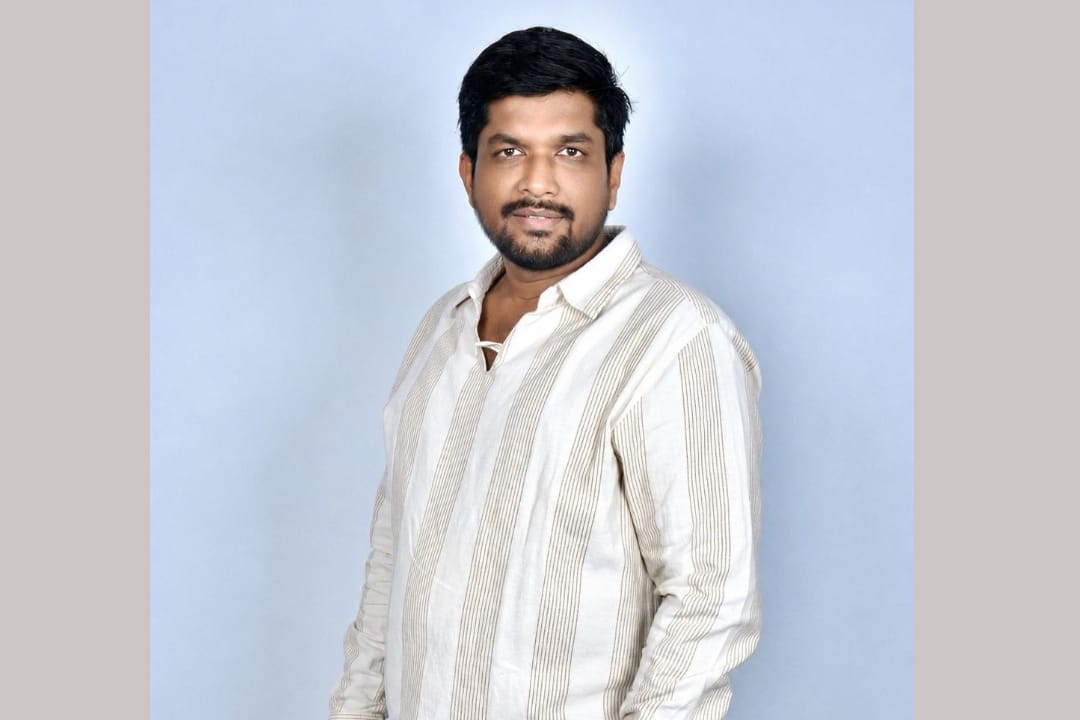
Cinematographer Kishore Boyidapu: “With everyone’s coordination, we wrapped up ‘Memu Cop’lam shoot in just 17 days”
A cinematographer is often regarded as the creative force who translates a director’s vision into compelling visuals on screen. Beyond that, they play a crucial role in enhancing the producer’s investment by shaping the film through strong visual storytelling. If a producer is considered the father of a film and a director the mother, the cinematographer can be seen as the pillar who supports and carries the film throughout its journey from beginning to end.
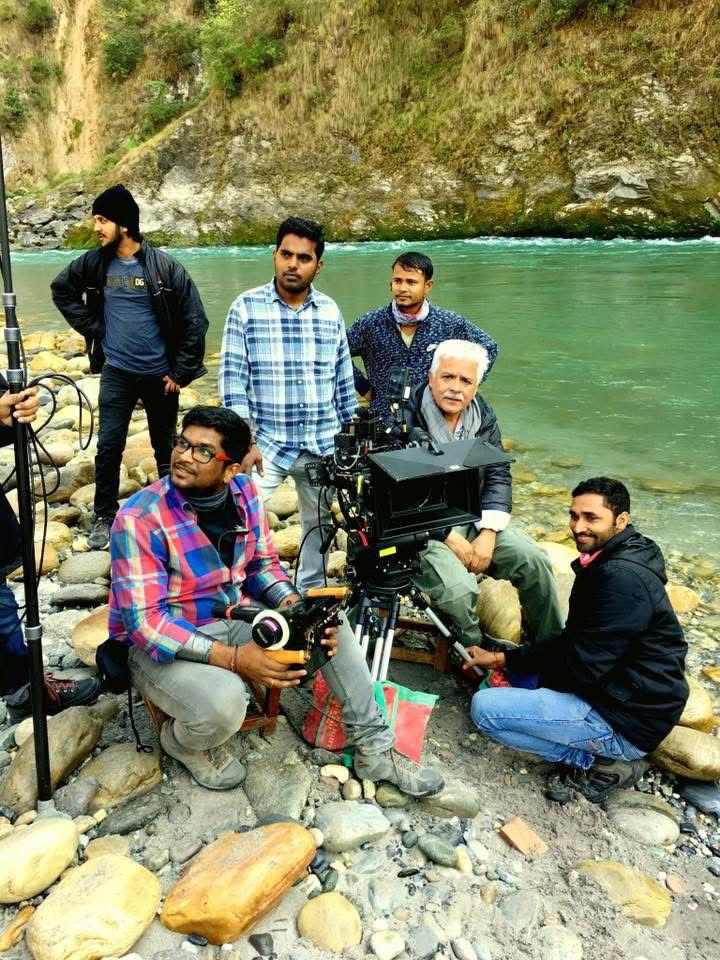
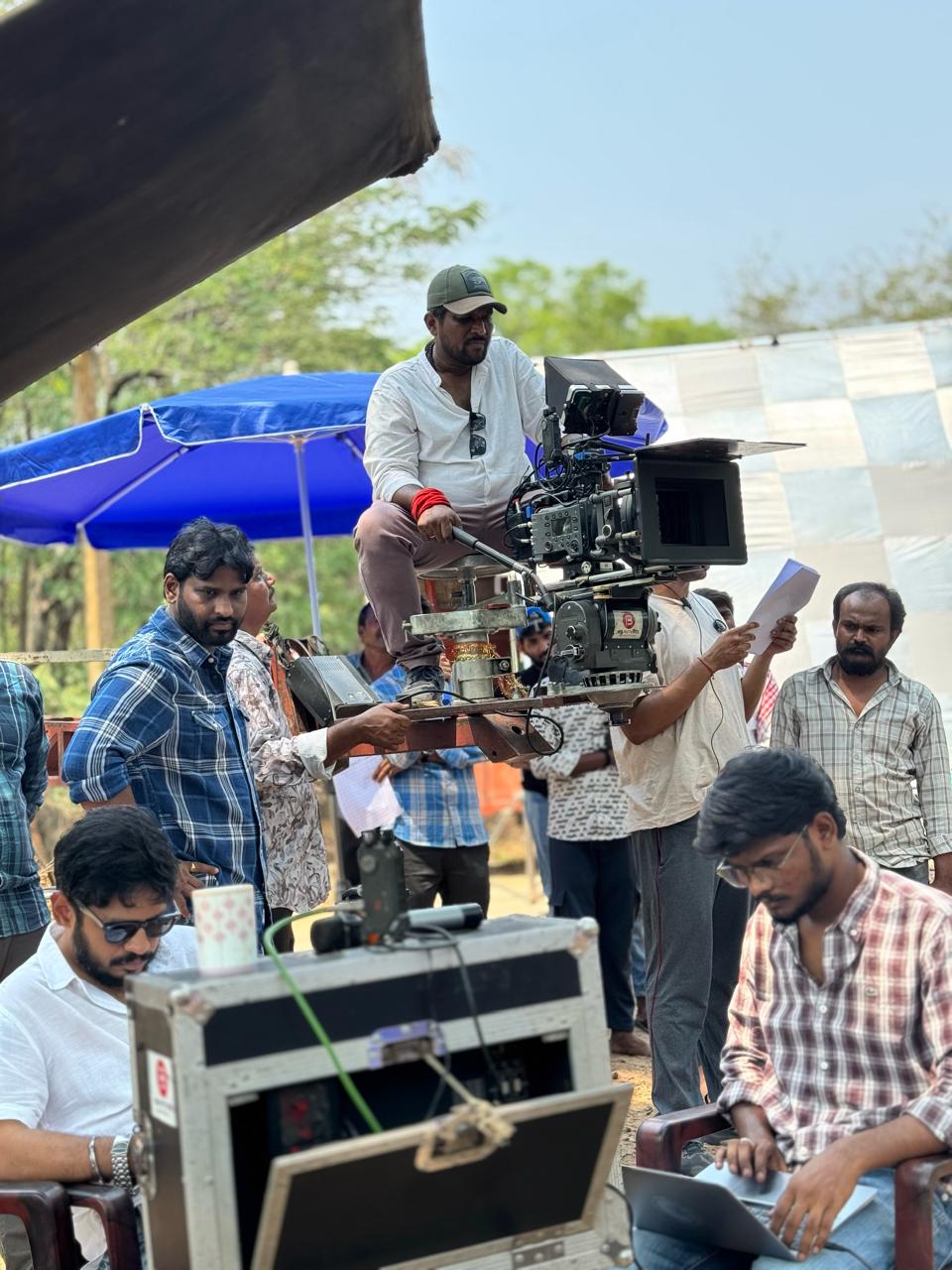
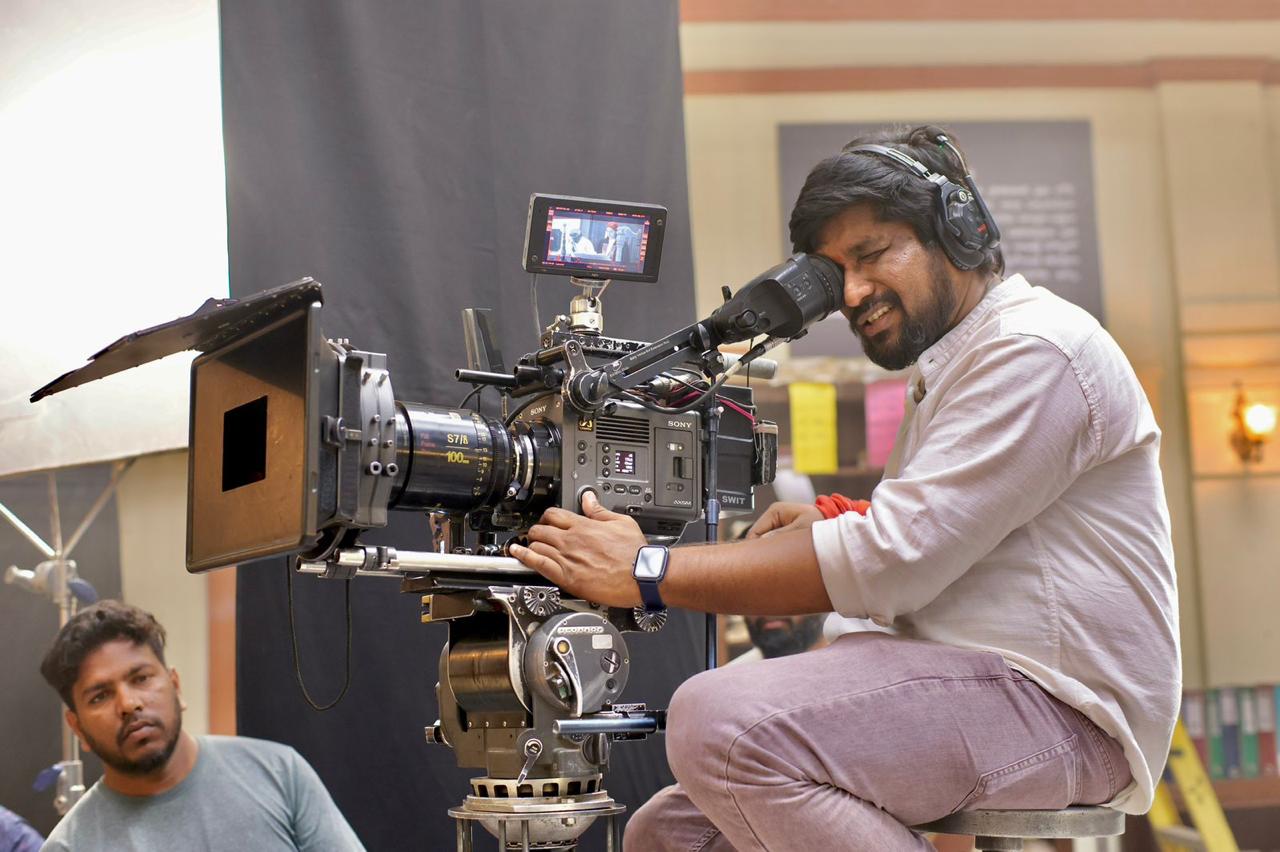
One such talented cinematographer making his mark in the industry is Kishore Boyidapu. He began his journey from the grassroots level in the camera department and steadily grew through dedication and hard work. Over the years, he has worked not only in Telugu cinema but also gained valuable experience in Bollywood and Hollywood projects. Recently, he received appreciation for his work on the series “Memu Cop’lam”, directed by Pradeep Maddali and starring Naga Babu in the lead role, which is currently streaming on Zee5.
Kishore Boyidapu, who played a key role in completing the shoot of the series in just 17 days, shared insights about his journey, challenges, and experiences in the film industry. Born as Durga Kishore Kumar, he developed a passion for cinema at a very young age due to his family’s connection with the industry. His father’s habit of taking photographs and narrating stories through them sparked his curiosity and fascination for cameras, which eventually shaped his career path.
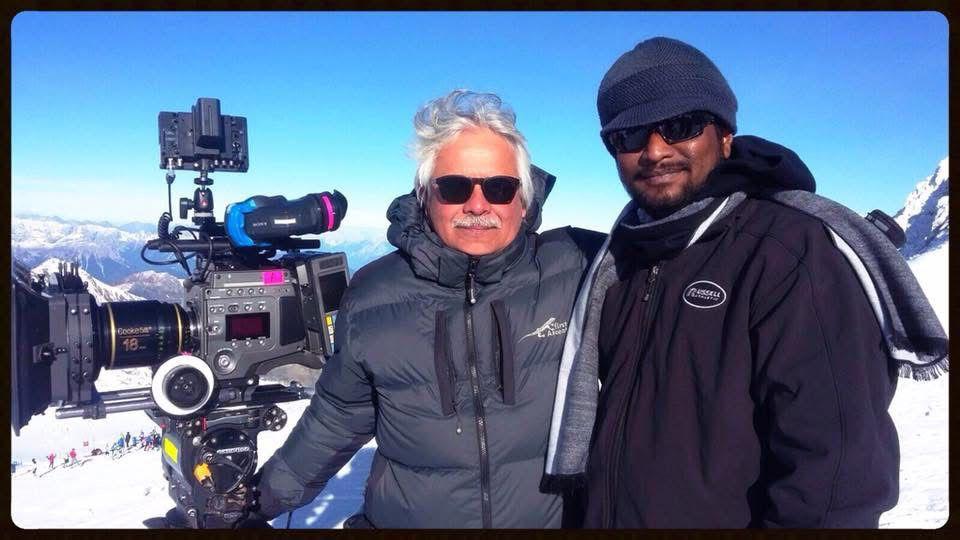
He started his professional journey in 2002 as a camera assistant in Ravi Prasad’s unit. After working there for about four years, he moved to Mumbai to explore bigger opportunities. His first major exposure came when he worked in the camera department for the globally acclaimed film Slumdog Millionaire. This opportunity opened doors for him in international cinema, and he went on to work on nearly 15 Hollywood films, including major productions like Mission: Impossible 4.
In 2012, Kishore worked as a Director of Photography for the film Boy Meets Girl, marking an important step in his career. Around 2015, he began collaborating with renowned cinematographer Anil Mehta. This association started with Ae Dil Hai Mushkil and continued through several films, including Jersey. During this phase, he gained immense technical and creative knowledge, which helped shape his visual storytelling skills. He often credits this period as one of the most valuable learning experiences of his career.
After the COVID-19 pandemic, Kishore worked on films like My Name Is Shruthi and 105 Minutes. Following these projects, with encouragement from Anil Mehta, he decided to restart his independent journey as a cinematographer. He also spoke about the challenges of working on single-shot films like 105 Minutes, explaining that such projects demand extreme precision, as even a small mistake can require the entire sequence to be reshot from the beginning.
He also highlighted the transformation of cinema from traditional film stock to digital filmmaking. Earlier, filmmakers had to carefully monitor film length and resources, but today digital technology allows multiple takes and greater flexibility. However, he noted that modern cinematography has its own challenges, especially in lens selection and technical research. He prefers Cooke lenses for his work and recently used the Cooke 7 lens for the upcoming film Premaku Namaskaram, starring Shanmukh.
Kishore Boyidapu draws inspiration from acclaimed cinematographers like Ravi Varman, Anil Mehta, and Sudeep Chatterjee. He believes that there is no fixed formula in cinematography, and each scene demands a different visual approach based on emotion, situation, and storytelling needs. According to him, the goal is always to deliver the best possible output within the given time and production constraints.
Speaking about the differences between Hollywood and Indian cinema, Kishore explained that Hollywood films often rely on natural lighting, soft tones, and realistic color grading. In contrast, Indian cinema embraces vibrant colors, emotional lighting, and culturally rich visuals that reflect festivals, traditions, and storytelling styles. He added that while Hollywood uses advanced workflows like ACES and HDR with extensive time in post-production, Indian films often work under tighter schedules, which limits the depth of digital intermediate (DI) work. Despite this, Indian cinema continues to evolve rapidly, especially in the OTT space.
Talking about Memu Cop’lam, Kishore shared that the entire shoot was completed in just 17 days due to strong pre-production planning and seamless teamwork. He credited director Pradeep Maddali for his clear vision and guidance throughout the project. He also thanked producer BVS Ravi and the entire production team for their constant support and trust. Special appreciation was given to Naga Babu and the entire cast and crew, including Srinu and Ravi, for their cooperation and dedication. According to him, detailed discussions during location recce and clear planning of each scene helped the team execute the project efficiently, even finishing ahead of schedule.
On the topic of direction, Kishore mentioned that while he has creative ideas, he is not planning to move into directing anytime soon, as it involves significant responsibility and pressure. At present, he is also focusing on learning AI technology to stay updated with the evolving trends in the film industry.
Currently, his upcoming film Premaku Namaskaram, starring Shanmukh, Shivaji, and Bhumika, is ready for release. Another project titled Mana Doctor Babu, featuring Rajeev Kanakala in the lead role, is in post-production, along with a few more projects in the discussion stage.

Related Posts